Courses Taught at Wabash College
-
![]()
Reasoning and Advocacy
This 200-level course is a foundational course in the Rhetoric major and minor. Students are introduced to core approaches to argumentation, from both the classical tradition (e.g., Aristotle’s conception of the enthymeme) and contemporary rhetorical theory (e.g., Toulmin’s model of argumentation). Students complete debates on resolutions of civic and cultural significance, analyze rhetorical artifacts’ argumentation, and create their own pieces of advocacy in response to community issues.
-
![]()
Classical Rhetoric
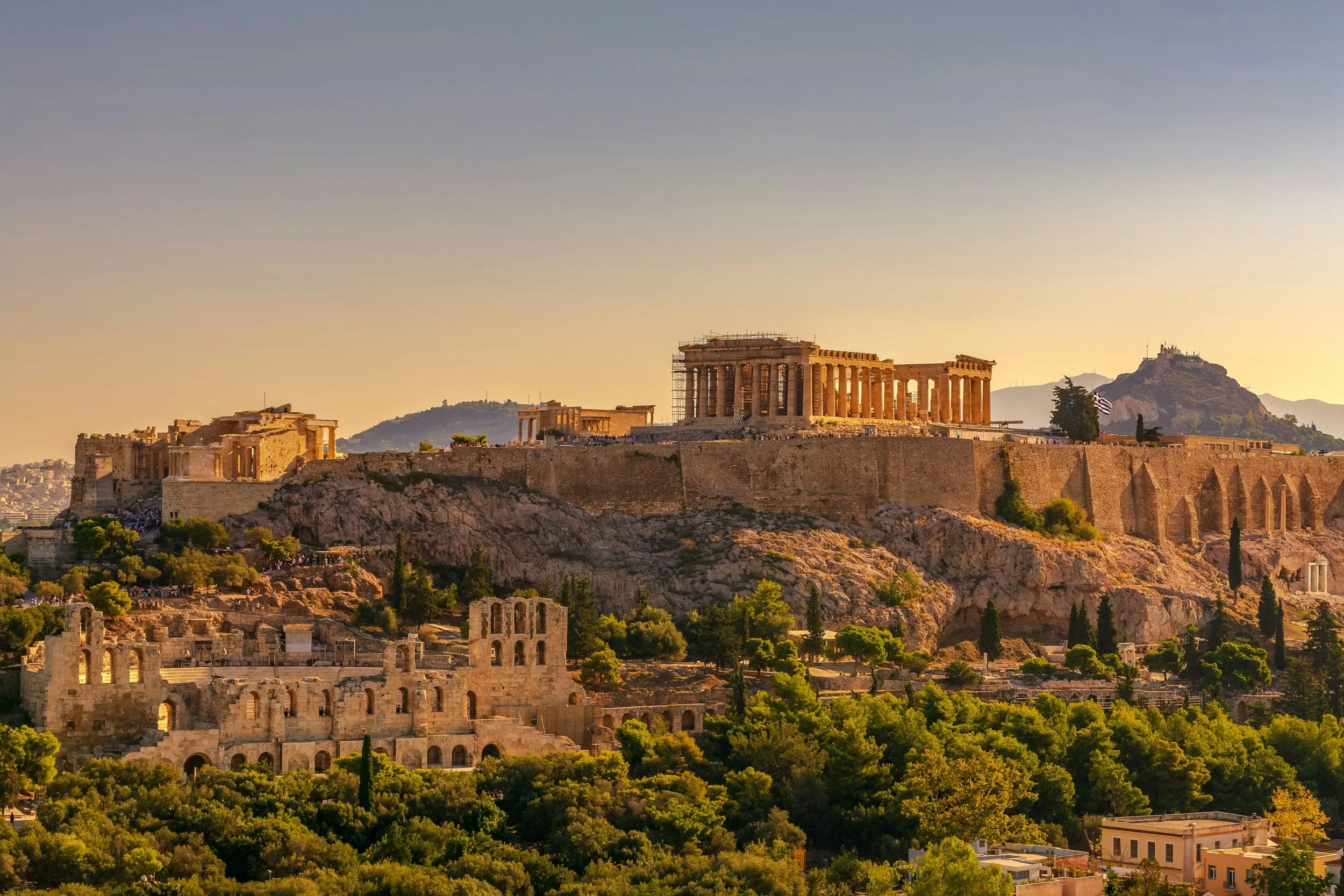
This 300-level, seminar-style course, is a foundational offering in the Rhetoric major and minor. Students read and discuss the rhetorical theories of the ancient Greco-Roman tradition. Beginning in the fifth-century BCE and continuing through the first-century CE, this course covers the contributions of thinkers such as Gorgias, Isocrates, Plato, Aristotle, Cicero, and Quintilian. Attention is given to the politics and erasure of this canon’s construction. Specifically, this course considers the contributions of women to the ancient rhetorical tradition and interrogates the ways the classical world is marshaled for political, cultural, and technological purposes, in ways both positive and negative, in contemporary society.
-
![]()
Senior Seminar
This capstone, 400-level course is the culmination of the Rhetoric major. Co-taught alongside Profs. Jennifer Abbott and Gabby Tscholl, this course is anchored around students’ construction of an independent research project. Students craft a polished, well-researched, and well-argued rhetorical criticism of one or more artifacts of their choosing. This capstone assesses students’ argumentative, research, writing, presentation, and other skills as they prepare for graduation.